
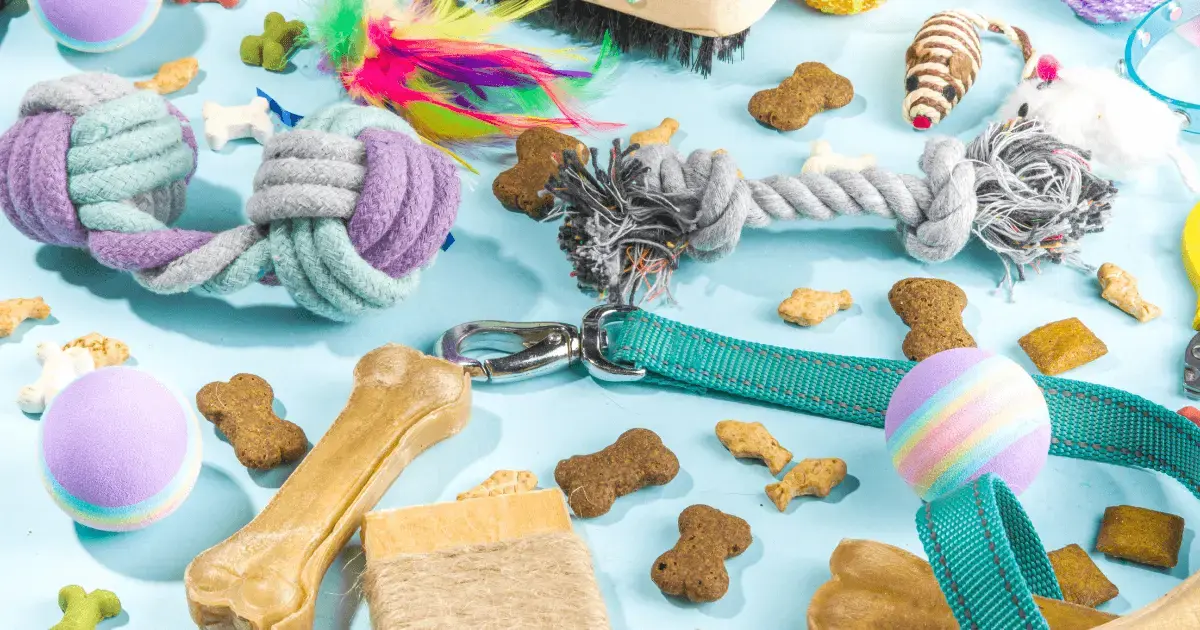
Pet product development is its own discipline. The end user is an animal. The buyer is the animal’s owner. The product has to be safe enough for an animal’s mouth, paws, or skin; durable enough for chewing, scratching, or rough handling; and cleanable enough for hygiene standards that apply when the product gets covered in food, water, fur, or worse. Most pet products combine multiple materials — rigid plastic structural elements, soft silicone touch points, soft goods fabric components for bedding or carriers, and sometimes electronics for connected feeders and trackers. For inventors, entrepreneurs, and small business owners developing pet products, the path to market follows the four-phase development model but with category-specific decisions at each phase that don’t apply to other product types. This guide covers what makes pet product development distinct, the major pet product categories and what each requires, pet-safe materials and finishes, multi-material design and prototyping, pet product testing, pet-specific compliance and retail channels, and the common failures to avoid.
Quick Answer
Developing a pet product follows the four-phase model (Research & Ideation, Design & Prototype, Sourcing & Manufacturing, Branding & Marketing) with pet-specific decisions at each phase. Pet-specific considerations include animal safety (pet-safe materials, no toxic finishes, no choking or chewing hazards), durability (resistance to chewing, scratching, dropping), cleanability (dishwasher-safe materials for feeding products, machine-washable for bedding and soft goods), and channel selection (pet specialty retail like PetSmart and Petco, veterinary channels, mass-market retail, and DTC through Amazon, Chewy, and specialty e-commerce). Most pet products combine multiple materials — typically rigid plastic structural elements, silicone touch points, and soft goods components — requiring coordinated multi-material prototyping under one team. The right development partner has experience across the verticals that pet products typically combine, plus the senior engineering judgment that catches pet-specific design issues at the prototype stage rather than at production.
Key Facts
- Pet products typically combine multiple materials: rigid plastic for structure, silicone or rubber for chew-safe touch points, soft goods (fabric, foam, padding) for bedding and carriers, sometimes electronics for smart feeders and trackers
- Pet product safety is a category-specific discipline — materials must be non-toxic if chewed or swallowed, finishes must not flake off, geometries must avoid choking and entrapment hazards
- Pet product testing requirements differ from other consumer products — chew resistance, drop testing, dishwasher cycles, and animal-specific use case validation are common requirements
- Pet product retail channels include pet specialty retailers (PetSmart, Petco, Pet Supplies Plus, regional specialty chains), veterinary channels, mass-market retail (Walmart, Target, Costco), and DTC platforms (Amazon, Chewy, brand websites, specialty pet e-commerce)
- Pet-specific compliance includes FDA food-contact regulations for feeding products, country-specific pet product regulations (which vary widely across international markets), and category-specific standards for products with electrical components
For first-time pet product inventors, the practical implication is that the development path looks superficially like consumer product development but has category-specific realities at each phase. Treating a pet product as a generic consumer product produces predictable failure modes — toxic finish discovered after product launch, chew resistance that the design didn’t plan for, cleaning that the materials can’t survive, channel choice that doesn’t match the product positioning.
Key Takeaways
- Pet product development is consumer product development plus animal-specific safety, durability, and hygiene requirements
- Most pet products combine multiple materials, requiring coordinated multi-material prototyping rather than single-vertical work
- Pet-safe material selection is a Phase 2 design priority, not a Phase 3 supplier issue — the design has to specify materials that pass pet-specific safety requirements
- Pet product testing protocols (chew resistance, durability cycles, dishwasher cycles, animal-specific use cases) require their own validation work
- Pet retail channels (specialty, veterinary, mass-market, DTC) have different requirements; the channel decision is a Phase 1 decision that shapes packaging, compliance, and unit economics
- Multi-vertical development capability (plastic, silicone, soft goods, sometimes electronics under one team) prevents the integration problems that arise when pet products get parceled to specialists
- The four-phase model applies, with category-specific execution at each phase informed by experience with pet products specifically
Table of Contents
- What Makes Pet Product Development Distinct
- The Pet Product Categories and What Each Requires
- Pet-Safe Materials and Finishes
- Phase 2 for Pet Products: Multi-Material Design and Prototyping
- Pet Product Testing: What Validation Actually Looks Like
- Pet-Specific Compliance and Retail Channels
- The Most Common Pet Product Development Failures
- How Rabbit Product Design Handles Pet Product Development
What Makes Pet Product Development Distinct
Pet products serve animals as end users and pet owners as buyers. That separation shapes every phase of development. The animal is the one who chews the toy, eats from the bowl, sleeps on the bed, wears the harness, gets carried in the carrier. The owner is the one who pays for the product, evaluates it on the shelf or online, has to clean it, and decides whether to buy it again or recommend it to other pet owners. Both perspectives matter, and they often pull in different directions — what an owner wants their dog’s toy to look like aesthetically may not be what the dog wants to chew, and what a cat finds engaging may not match what the owner wants to display in their living room.
The category-specific realities shape pet product development in ways that don’t apply to typical consumer products. Animals don’t read instructions. They use products the way they want to, which often involves chewing, scratching, dragging, dropping, dropping into water, dropping into food, and otherwise stressing the product in ways that standard consumer product testing doesn’t anticipate. Pet products are tested in homes by the owners who buy them; products that fail in those tests get returned, generate negative reviews, and don’t produce repeat purchases. The bar for pet product durability is higher than for most consumer products of equivalent price points.
Pet product safety is its own discipline. Materials that contact a pet’s mouth, eyes, paws, or skin have to be non-toxic. Materials that might get chewed or swallowed have to be non-toxic when ingested. Finishes that might flake off have to be safe to eat. Geometries have to avoid choking hazards (for products that might be chewed), entrapment hazards (for products with openings a paw or head could get stuck in), and sharp edges that could injure during normal use. The safety considerations apply across animal types but have species-specific variations — what’s safe for a large dog isn’t automatically safe for a small dog, a cat, a bird, or other pet types.
Cleanability is a primary requirement for most pet products. Feeding products get covered in food and water (potentially with bacterial growth). Toys get covered in saliva, dirt, and whatever else the animal carries them through. Bedding accumulates fur, dirt, and odors. Carriers and harnesses absorb sweat, saliva, and outdoor contamination. Products that can’t be cleaned easily — dishwasher-safe for feeding products, machine-washable for soft goods, wipeable for hard surfaces — produce maintenance problems that owners notice quickly. Cleanability is a material and design decision made in Phase 2, not a feature added later.
Pet product development typically requires multi-material capability. A simple-looking pet toy may combine a rigid plastic structural core with a silicone outer layer for chew safety. A pet bed combines fabric and foam materials. A harness combines fabric, hardware fasteners, and adjustable elements. A connected pet product (smart feeder, GPS tracker, automated litter box) combines plastic housing with electronics, batteries, and connectivity components. Pet products that look simple to consumers are often multi-vertical development projects from the engineering perspective — and the integration between materials is where many product problems surface.
For first-time pet product inventors, the practical framing is that developing a pet product means making decisions about animal safety, owner usability, durability under animal use, cleanability, and multi-material integration — plus the standard consumer product decisions about market positioning, channel selection, manufacturing, and launch. The discipline is to address the category-specific decisions at the phase where they’re cheap to address, not to discover them later when correction is expensive.
- Animal as user, owner as buyer — both perspectives shape design.
- Animals don’t read instructions — products get stressed beyond typical consumer product expectations.
- Pet safety: non-toxic materials, no flaking finishes, no choking or entrapment hazards, species-specific considerations.
- Cleanability is required: dishwasher-safe, machine-washable, or wipeable depending on category.
- Multi-material is the norm: plastic + silicone + soft goods + sometimes electronics in a single product.
- Category-specific decisions belong at Phase 1 and Phase 2, not discovered late.
Understanding what makes pet product development distinct is the foundation for executing it correctly. The rest of this guide covers the specific categories, materials, design decisions, testing requirements, compliance considerations, channels, and failure patterns.
The Pet Product Categories and What Each Requires
Pet products span a wide range of categories, each with its own design priorities, material requirements, durability expectations, and testing protocols. Understanding what each category requires shapes the development decisions at Phase 2 and Phase 3.
Toys and chews. Pet toys and chew products are the most safety-critical category because they are explicitly designed for animal mouths. Chew toys for dogs need to survive sustained chewing without breaking into pieces that could be swallowed or cause choking. Cat toys need to be safe if batted, scratched, or chewed. Bird toys have their own material restrictions. Toy design priorities include chew resistance matched to the size and chewing strength of the target animal, choking-hazard-free geometry, non-toxic materials throughout (because chewing will eventually break the surface), and engagement features that appeal to the species (squeakers, treat dispensers, interactive elements). Common materials include hard rubber, food-grade silicone, durable nylon, natural fibers, and pet-safe plastics with specific grades certified for pet use.
Feeding and water products. Bowls, mats, automatic feeders, water fountains, slow-feed bowls, and elevated feeding stations. The primary material requirement is food contact safety — FDA food-contact-compliant materials, no leaching, stable through repeated dishwasher cycles for cleanability. Stainless steel, food-grade ceramics, food-safe silicones, and FDA-compliant plastics (specific grades, not generic plastic) are common. Design priorities include cleanability (typically dishwasher-safe), stability during use (heavy bottoms or non-slip features to prevent tipping), and species-appropriate sizing and shape (cat whisker fatigue considerations, large breed dog bowl heights, breed-specific bowl shapes for short-snouted dogs). Automated feeders add electronics, mechanical dispensing mechanisms, and connectivity for app control.
Beds, mats, and sleeping products. Pet beds, orthopedic mats, heated beds, cooling mats, crate mats, outdoor beds. The category is primarily soft goods with material specifications around fabric (durability, scratch resistance, fur resistance, cleanability), padding and foam (orthopedic support, memory foam grades, recycled or natural fillings), and outer shells (machine-washable covers, removable covers with zipper or velcro closures, water-resistant treatments for outdoor or chew-prone products). Specialty subcategories add functionality — heated beds with electrical components and safety controls, cooling mats with phase-change materials or gel cells, orthopedic beds with engineered support structures.
Carriers, harnesses, and wearables. Pet carriers (soft-sided, hard-sided, backpack-style, vehicle), harnesses (walking harnesses, training harnesses, body-conformant designs), collars (standard, breakaway, GPS-enabled), and other wearable products. The category combines soft goods (fabric, webbing, padding) with hardware (buckles, snaps, D-rings, sliders, mounting brackets, locking mechanisms). Design priorities include body-conformant fit across the size range of the target species and breed, load-bearing strength for the application (carry weight, pull resistance during walks), comfortable padding at pressure points, durability under outdoor and active use, and adjustability for fit variation. Multi-material assembly between soft goods and hardware components is the engineering reality of this subcategory.
Training and behavior products. Training tools, behavior modification products, anti-bark devices, training treats and treat dispensers, clickers, training pads, deterrent products. The category spans simple mechanical products (clickers, leash attachments) through more complex electronic products (training collars with remote, anti-bark devices, automated treat dispensers). Design priorities include reliability of the training function, owner-friendly operation, durability under field use, and safety considerations specific to behavior modification products (humane operation thresholds, safety cutoffs for electronic products).
Grooming and hygiene products. Brushes, combs, nail clippers, deshedding tools, bath products, dental care products. The category includes hand tools (with mechanical design priorities around ergonomics for the owner and gentle operation on the animal) and dispensing products (shampoo bottles, wipe containers). Design priorities include owner ergonomics (extended grooming sessions are common), animal comfort during use (pulling, snagging, sharp edges all produce negative experiences that owners attribute to product quality), and effectiveness at the grooming function.
Connected and smart pet products. GPS trackers, smart feeders, pet cameras, automated litter boxes, smart collars with health monitoring, app-controlled toys. The category adds full electronics development to the pet product development discipline — PCB design, firmware, app development, connectivity (BLE, WiFi, cellular), battery management, and the cloud infrastructure for connected products. Pet-specific design priorities layer onto the electronics: water and dirt resistance for outdoor products, chew resistance for products that animals might attack, durability under being dropped or rough-handled, and the human-factors design for owner use of the connected functionality.
The category shapes the development priorities. Pet product development that doesn’t engage with category-specific realities tends to produce products that work as designed but miss what the category actually requires for market success.
Pet-Safe Materials and Finishes
Pet-safe material selection is one of the highest-priority decisions in pet product development. The materials chosen at Phase 2 determine whether the product can be safely used by animals, whether it survives the use case, and whether it can be cleaned to the standards owners expect.
Food-grade silicones. Silicone is widely used in pet products for chew toys, food and water bowls, mats, and any application where soft, non-toxic, durable material is needed. Food-grade silicone (specifically platinum-cured medical or food-grade silicones rather than peroxide-cured industrial grades) is FDA-compliant for food contact, withstands chewing and chewing for extended periods, survives dishwasher cycles, and doesn’t leach into food or water. Different silicone hardnesses (measured in durometer) suit different applications — softer silicones for chew elements, harder silicones for structural components. Silicone manufacturing typically uses compression molding or liquid silicone injection molding, with prototype silicone parts produced through compression-molded tooling or vacuum-cast silicone.
Pet-safe plastics. Not all plastics are equal for pet applications. Materials commonly used in pet products include polypropylene (PP, used for food contact applications), high-density polyethylene (HDPE, durable and chew-resistant), TPU (thermoplastic polyurethane, flexible and durable), nylon (durable for chew toys and harness hardware), and ABS (used for structural housings on non-chew-contact applications). Materials to avoid or use carefully include PVC (raises plasticizer concerns), polycarbonate with BPA (food contact concern), and any plastic with painted or printed surfaces that could flake off and be ingested. Material specifications should include the specific resin grade, the additive package (or absence of concerning additives), and any third-party certifications relevant to pet use.
Pet-safe fabrics and soft goods materials. Pet product soft goods use fabrics chosen for durability, cleanability, and chew or scratch resistance. Common materials include 600–1680 denier nylon (durable for carriers and harnesses), polyester fleece (soft for bedding, machine-washable), ripstop nylon (tear resistance for outdoor products), waterproof or water-resistant treated fabrics, and natural fibers (cotton, hemp, jute) for products where natural materials matter to positioning. Padding materials include polyester fiberfill, memory foam (with grades suited to orthopedic applications), and natural fillings. Trim items include pet-safe webbing (typically polypropylene or nylon), buckles and snaps from major manufacturers (often Duraflex, ITW Nexus, YKK for zippers), and reflective elements for visibility products.
Pet-safe finishes and treatments. Surface finishes need to be safe if licked, chewed, or scratched. Painted finishes generally raise concerns for chew-contact products (paint can flake and be ingested). Powder coating and anodizing on metal hardware (buckles, D-rings, mounting hardware) provide durable finishes that don’t flake. Plating (zinc, nickel) on hardware components needs to be specified with pet contact in mind — some plating types are more durable under chewing or scratching than others. Antimicrobial treatments on fabrics or surfaces, where used, need to be pet-safe and meet relevant regulations. For products that will see outdoor use, UV-resistant finishes prevent material degradation that could create safety issues over the product’s life.
Hardware components for pet products. Pet products that include hardware (brackets, latches, hinges on carriers, fasteners, buckles, D-rings, mounting hardware on wall-mounted feeders or accessories) follow the same hardware design principles as other categories with additional pet-specific considerations. Hardware that contacts the animal directly needs corrosion resistance against saliva, sweat, and outdoor exposure. Hardware on carriers needs reliable operation under stress (animals pulling, jumping, fighting against restraint). Off-the-shelf catalog hardware from established manufacturers (Duraflex, ITW Nexus, YKK) is typically the right choice for hardware integration rather than custom-designed equivalents — the catalog parts have established reliability, certified specifications, and the supply chains to support production.
Material selection in pet products is constrained by safety, durability, and cleanability requirements that don’t apply equally to other consumer products. Phase 2 design with pet-specific material expertise produces products that meet these requirements; designs without that expertise often produce products that fail one or more requirements late in development or after launch.
Phase 2 for Pet Products: Multi-Material Design and Prototyping
Phase 2 (Design & Prototype) for pet products typically involves multiple materials and multiple verticals — a single pet product may combine plastic, silicone, soft goods, hardware components, and electronics. The Phase 2 work coordinates these elements rather than treating each in isolation, because the integration between materials is where many pet product problems surface.
Industrial design across the animal-and-owner experience. Pet product industrial design considers both perspectives. The animal’s experience drives form, ergonomics, and engagement features — toy textures and shapes that appeal to the target species, bowl geometries that accommodate species-specific feeding behaviors, bed dimensions and shapes that match how the target animal naturally sleeps, harness designs that conform to body shape without creating pressure points. The owner’s experience drives the visible design — how the product looks on the shelf, how it fits in the owner’s home aesthetic, how easy it is to use and clean, how the brand communicates through the product. Pet product industrial design that addresses both perspectives produces products that animals use and owners buy.
Mechanical engineering with pet-specific DFM. Pet product mechanical engineering applies general DFM principles plus pet-specific considerations. Material thicknesses sized for chew resistance (not just for general structural needs). Joints and assemblies designed to survive animal abuse rather than just gentle consumer use. Threading and fastening that won’t loosen under vibration from animal movement. Tolerance specifications appropriate to the application (looser tolerances acceptable for many pet products where consumer-product precision isn’t necessary; tighter tolerances where mating parts have to perform reliably). Surface finish callouts that account for cleanability and animal contact. Mechanical engineering with pet product experience produces designs that survive intended use; engineering without that experience often over-engineers low-stress features while under-engineering the features animals actually stress.
Electronics design for connected pet products. Connected pet products (smart feeders, GPS trackers, automated litter boxes, pet cameras) add full electronics development. Pet-specific electronics considerations include water and food resistance (sealing, IP ratings appropriate to the use case), drop resistance, battery life appropriate to the use case (long battery life for trackers and collars, shorter cycles acceptable for fed feeders), connectivity choice (BLE for short-range tags, cellular or WiFi for trackers, WiFi for stationary smart products), and the security architecture for connected products that handle pet location data or in-home cameras. The electronics design follows general consumer electronics practices with pet-specific durability and use-case requirements layered in.
Multi-material prototyping coordination. Pet product prototyping typically spans multiple materials and methods. The rigid plastic structural elements prototype through 3D printing for early concept work (with the limitation that printed plastic doesn’t match production injection-molded material behavior), CNC machined production-resin samples for functional validation, and soft tooling for production-process validation before hard tooling commitment. The silicone elements prototype through compression-molded prototype tools or vacuum-cast silicone for early form work, with production-equivalent samples for final validation. The soft goods elements prototype through sewn samples with the actual production materials. The hardware components are typically specified from catalog with sample qualification rather than prototyped from scratch. The electronics elements prototype through breadboard and PCB iterations. Coordinating these multiple prototype workstreams — with consistent design intent, matching dimensions at the integration points, and integration testing of the assembled product — is the multi-material discipline that pet products require.
Prototype iteration sequencing for pet products. Pet product prototyping benefits from early sequencing that establishes the multi-material integration before each individual material is fully optimized. Early Phase 2 work often produces "looks-like" prototypes that establish form and integration intent across all materials, followed by "works-like" prototypes that validate function in each material, followed by production-process prototypes that validate manufacturing readiness. The discipline is to surface multi-material integration issues early when they’re cheap to address, rather than perfecting each material in isolation and discovering integration issues only when materials come together late in Phase 2.
Tech pack documentation for multi-vertical pet products. The tech pack for a pet product that combines multiple verticals needs documentation for each material category plus integration documentation at the interfaces. Plastic components get full CAD documentation with GD&T, materials with specific grades, finishes, and DFM notes. Silicone components get separate documentation with durometer specifications, color callouts, and compression molding or LSR injection molding specifications. Soft goods components get patterns, construction sequences, stitch specifications, fabric and trim specifications, and hardware integration callouts. Electronics get Gerber files, BOMs, firmware version control. Integration documentation specifies assembly sequence, fastener torques, adhesive specifications, and the QC checks that verify the assembled product meets requirements.
- Industrial design addresses both animal experience (form, ergonomics, engagement) and owner experience (aesthetic, usability, cleanability).
- Mechanical engineering with pet-specific DFM — thicknesses, joints, tolerances sized for animal use.
- Electronics design for connected pet products: water resistance, drop resistance, battery life, connectivity, security.
- Multi-material prototyping coordinates plastic, silicone, soft goods, hardware, and electronics workstreams.
- Iteration sequence: "looks-like" first across all materials, then "works-like," then production-process validation.
- Tech pack documentation covers all material categories plus integration documentation at interfaces.
Phase 2 for pet products is multi-vertical work coordinated under a single design intent. Disciplined Phase 2 produces production-ready designs across all the materials the product combines; fragmented Phase 2 produces integration problems that surface during Phase 3 production.
Pet Product Testing: What Validation Actually Looks Like
Pet product testing protocols differ from general consumer product testing. The product has to survive animal use, not just lab simulation. Validation includes both controlled laboratory testing and in-home or field testing with actual animals where applicable.
Chew resistance testing. For toys, chew products, and any product that animals might chew (including non-toy products that some animals will chew anyway), chew resistance testing validates that the product survives sustained chewing without breaking into pieces that could be swallowed, choked on, or cause injury. Lab testing methods include mechanical chew simulation with controlled bite forces, drop testing of chewed product samples to verify they fail safely (large pieces rather than small swallowable fragments), and visual inspection after extended chewing simulation. In-home testing with actual dogs of the target size and chewing strength provides validation that lab testing alone can’t produce — real animals chew differently than simulators.
Durability and drop testing. Pet products get dropped, knocked over, kicked, and dragged. Bowls fall off counters. Toys get thrown. Carriers get dropped. Beds get dragged across floors. Durability testing simulates these stresses with controlled drop heights, drag tests across abrasive surfaces, repeated loading and unloading for products that bear loads, and environmental testing (temperature, humidity, UV exposure) for products that see outdoor use. Test protocols are matched to the product’s realistic use case rather than to generic consumer product standards.
Dishwasher and washing machine cycle testing. Feeding products, water products, and many toys advertise as dishwasher-safe. Bedding and soft goods advertise as machine-washable. Cleaning cycle testing validates these claims through repeated cycles in actual dishwashers and washing machines. Materials are evaluated for color stability, structural integrity, fit retention (for products with multiple parts that have to maintain fit after washing), and any deterioration that would affect safety or function. Products advertising specific cycle counts (e.g., "1000-wash durability" for bedding) need testing that supports those claims.
Food contact and water contact safety testing. Feeding and water products need testing that validates the FDA food-contact compliance their materials claim. Migration testing verifies that nothing leaches from the product into food or water at concerning levels. Cleaning agent compatibility testing verifies that materials survive exposure to common cleaning products without degrading. These tests are typically performed by accredited third-party labs against established protocols and produce documentation that retailers and regulatory agencies may request.
Species-specific behavioral and ergonomic testing. Many pet product design decisions depend on how the target species actually uses the product. Cat bowls with rim angles designed for whisker comfort require testing with actual cats to validate the design works. Dog harnesses with body-conformant designs require fitting on multiple dogs of the target size range. Bird toys engaging the target species’ natural behaviors require validation with actual birds. Species-specific testing is typically conducted with willing pet owner participants or controlled veterinary settings, depending on the product and what’s being validated.
In-home or field testing with actual users. Many pet product issues only surface in real-world use over time. In-home testing with pet owners (the buyer) and their pets (the user) over weeks or months reveals problems that controlled lab testing misses: how the product fares with daily handling, how easy it is to clean over time, what the owner’s actual experience using the product is, what the animal’s sustained engagement with the product looks like. In-home testing typically happens late in Phase 2 with near-production-quality samples and produces feedback that informs final design decisions before Phase 3 production commitment.
Pet product testing is its own discipline that requires its own protocols and validation methods. Products that skip pet-specific testing or rely only on general consumer product testing standards often discover the gaps after launch — in returns, negative reviews, and warranty claims that disciplined testing would have prevented.
Pet-Specific Compliance and Retail Channels
Pet products face compliance requirements that vary by product category, target market, and channel. Pet retail channels also have category-specific dynamics that affect channel selection and launch strategy.
FDA food-contact compliance. Feeding and water products in the US fall under FDA food-contact regulations. Materials in contact with food or water must be FDA-compliant for food contact — with specific resin grades, additive packages, and migration testing supporting the compliance claim. Documentation typically includes material certifications from suppliers, third-party migration test results, and the product’s position relative to FDA Code of Federal Regulations sections covering the relevant material categories. Pet treats and food (consumable products) face additional regulatory requirements under FDA and AAFCO (Association of American Feed Control Officials), but those are typically outside the scope of pet product hardware (bowls, feeders, treat dispensers) which face only the contact-material requirements.
CPSC and consumer product safety. Pet products generally fall under CPSC (Consumer Product Safety Commission) jurisdiction in the US even though they’re used by animals — the products are bought by humans and CPSC regulates products sold to consumers. CPSC requirements cover general safety (no hazards to humans handling the products) and any category-specific regulations that apply (electrical safety for plug-in or battery-operated products, specific requirements for products that might be confused with children’s products in homes with both pets and children).
Electrical safety certifications for connected pet products. Connected and electrified pet products (smart feeders, heated beds, automated litter boxes, electric grooming tools, training devices with electronic components) require electrical safety certifications. UL listings for AC-powered products, FCC Part 15 for wireless components, and applicable battery safety certifications (UN38.3 for lithium batteries in shipping). The certification timelines for these can extend launch schedules; planning compliance work from Phase 2 when the design is stable enough to test prevents launch delays.
International compliance for pet products sold abroad. Pet products sold internationally face market-specific regulations that vary widely. EU markets require CE marking with applicable directives (RED for wireless, LVD for low-voltage, EMC for electromagnetic compatibility, RoHS for hazardous substances) and REACH chemical content disclosure. Specific country requirements apply elsewhere (Japan, Korea, China each have their own pet product or related regulations). Pet products in some international markets face animal-specific regulations that don’t exist in the US (some EU countries regulate pet products more stringently than the US does, particularly for safety claims and chemical content).
Pet specialty retail channels. Pet specialty retailers (PetSmart, Petco, Pet Supplies Plus, regional pet specialty chains) are the dominant pet product retail channel for many categories. Pet specialty retailers have category-specific buyer relationships, regular vendor cycles for new product introductions, and vendor program requirements that include EDI integration, vendor portal documentation, and category-specific compliance verification. Pet specialty retailers typically buy products designed for pet markets specifically rather than generic consumer products that could be used with pets.
Veterinary and professional channels. Some pet product categories sell primarily through veterinary channels or professional pet care businesses (groomers, trainers, boarders, dog walkers). These channels often distribute through specialty distributors rather than direct retail relationships. Products sold through veterinary channels may face additional standards expectations (clinical evidence for therapeutic products, professional-grade durability for products used in commercial settings). Pricing structures may differ from retail channels (often higher per-unit prices reflecting professional use and lower volumes).
Mass-market and DTC channels. Mass-market retailers (Walmart, Target, Costco, Amazon, Chewy) carry pet products with different requirements than pet specialty channels. Mass-market pet products typically need broader appeal, competitive pricing, and packaging optimized for higher-volume retail environments. Chewy specifically has become a dominant DTC pet retailer with its own vendor program and product standards. Direct-to-consumer through brand websites, Amazon FBA, and specialty pet e-commerce platforms (BarkBox subscription models, specialty boutique retailers) provides alternatives or complements to retail. Channel mix decisions for pet products typically include both specialty and mass-market or DTC components depending on the product’s positioning.
Pet product compliance and channel decisions belong to Phase 1 (channel selection) and Phase 2-3 (compliance certification work) of the development cycle. Pet-specific channel and compliance experience produces decisions that fit market reality; generic consumer product approaches often miss the pet-channel-specific dynamics.
The Most Common Pet Product Development Failures
Pet product development failures follow recurring patterns. Knowing them is what makes them either preventable or recognizable when they surface.
Treating a pet product as a generic consumer product. The most common pet product failure is approaching development as if the pet category is just another consumer category. The species-specific safety considerations, durability under animal use, cleanability requirements, multi-material integration realities, and pet-channel dynamics all get under-engineered. The product looks like a finished consumer product but fails the pet-specific tests that real-world use exposes.
Specifying non-pet-safe materials. Generic plastics, painted finishes that flake under chewing, non-food-grade materials in food contact applications, or materials with concerning additives or plasticizers — each produces products that fail pet safety expectations or compliance requirements. Material specification with pet-safety expertise prevents this; specifications by designers without pet experience often produce material choices that have to be revised before production.
Under-engineering for animal use. Designs based on consumer-grade durability expectations rather than animal-use expectations produce products that fail under intended use. Dog toys that don’t survive sustained chewing. Cat trees that don’t survive sustained scratching. Carriers that don’t survive being pulled, dragged, and chewed. Bedding that doesn’t survive being shredded by digging behavior. Pet-specific durability expectations need to be designed into the product from Phase 2 — not added later when failures surface in testing or in the market.
Ignoring cleanability in design decisions. Products that look great but can’t be cleaned easily produce owner frustration that surfaces in reviews and returns. Materials that aren’t dishwasher-safe in feeding applications, soft goods that aren’t machine-washable, hard surfaces with crevices that trap food and fur — each makes the product harder to maintain than it should be. Cleanability is a Phase 2 design decision, not a Phase 4 retrofit.
Fragmented multi-material development. Pet products that combine plastic, silicone, soft goods, and hardware components developed by separate teams or vendors often produce integration problems at assembly. Dimensions don’t match across materials. Materials don’t connect cleanly at interfaces. Production schedules don’t align. Multi-vertical pet products benefit from coordinated development under a single team rather than parceling each material to specialists who don’t coordinate across materials.
Discovering compliance requirements at Phase 4. Pet products that need FDA food-contact compliance, electrical safety certifications, or international compliance often face launch delays when the compliance work isn’t initiated until Phase 4. Certifications take time; planning them from Phase 2 prevents the delays.
Mis-targeting the pet retail channel. Products positioned for pet specialty retail but designed for mass-market price points, or products designed for mass-market but positioned at pet specialty quality, often miss their channel. The channel decision belongs to Phase 1 and shapes design priorities throughout.
Skipping in-home or field testing. Pet product issues that surface in extended real-world use — cleaning over time, animal preferences, owner usability across many uses, durability over months — don’t surface in controlled lab testing alone. Products launched without in-home or field testing often discover issues after retail launch when correcting them is much more expensive.
Each of these failures is preventable through disciplined four-phase work with pet-specific expertise embedded at each phase. The pet product development path is structured; the failures are the consequences of trying to compress the structure or approach pet products as if they were generic consumer products.
How Rabbit Product Design Handles Pet Product Development
Rabbit Product Design is a product development firm built around the inventors, entrepreneurs, and small business owners who carry the most risk on a first physical product. The firm has been in business for nine years, has worked on over 2,000 products, and is staffed entirely by senior engineers — an average of 27 years of experience per team member.
Pet products sit within the soft goods vertical at Rabbit, alongside bags, cases, wearables, and sports gear — with the multi-vertical capability across consumer products (for plastic structural elements), hardware products (for buckles, brackets, mounting components, mechanical assemblies), and electronic products and IoT devices (for connected pet products like smart feeders and trackers) that pet product development typically requires. The cross-vertical capability matters because most pet products are multi-vertical projects from the engineering perspective, even when they look simple from the consumer perspective.
The four-phase model produces a specific operational pattern for pet product development. Phase 1 (Research & Ideation) addresses market validation in the pet product space, channel decision across pet specialty, veterinary, mass-market, and DTC options, patent strategy with pet-product-specific freedom-to-operate analysis, and unit economics modeled against the chosen channel’s economics. Phase 2 (Design & Prototype) covers industrial design that addresses both animal and owner experience, mechanical engineering with pet-specific DFM, electronics design where applicable, and prototyping from printing to molding, CNC machining, and soft tooling across the multiple materials pet products typically combine — plus silicone prototyping for chew elements and soft goods prototyping for bedding, carriers, and harness components. Phase 3 (Sourcing & Manufacturing) handles supplier qualification across all the verticals the product spans, with multi-vertical assembly coordination for products that integrate components from multiple manufacturing categories. Phase 4 (Branding & Marketing) covers brand positioning in the pet market, packaging design appropriate to the chosen channel, sell sheet and sample preparation for pet retail buyer engagement, and operational launch.
On the cost question that first-time inventors often weigh: the senior-engineer model means pet product decisions are made with experience rather than by default. Junior teams often produce pet products that look like finished consumer products but fail under pet-specific use — wrong materials for chewing applications, durability sized for consumer use rather than animal use, cleanability that wasn’t designed in, multi-material integration that produces assembly problems. Senior engineers know which materials pass pet safety requirements, which durability specifications match animal use, which assembly methods survive multi-material integration, and which channel decisions match pet-product market reality. The total cost of an engagement with Rabbit Product Design is lower when pet product decisions are right-sized to the category — even when the per-hour rate is higher than a junior team’s — because the pet-specific rework cycles that junior teams produce are avoided.
Three things shape how engagements run day-to-day. Senior engineers handle every project from the start — there is no junior tier doing the early pet product work where category-specific decisions are framed. Multi-vertical capability handles the integration across materials that pet products typically require under one coordinated team. And the firm is built to be accessible to people developing their first pet product, not only to funded companies with seven-figure budgets.
Key Services
Phase 1 — Research & Ideation
- Pet market validation and category positioning
- Channel decision across pet specialty, veterinary, mass-market, and DTC options
- Patent research with pet-product-specific freedom-to-operate analysis
- Unit economics modeled against chosen channel economics
- Compliance landscape identification for product category and target markets
Phase 2 — Design & Prototype
- Industrial design addressing both animal experience and owner experience
- Mechanical engineering with pet-specific DFM
- Electronics design, firmware development, and app development for connected pet products
- Multi-material prototyping: from printing to molding, CNC machining, and soft tooling — plus silicone and soft goods prototyping
- Pet-specific testing protocols: chew resistance, durability, cleaning cycles, in-home field testing
- Pet-safe material specification and finish selection
Phase 3 — Sourcing & Manufacturing
- Supplier qualification across the verticals pet products combine
- Multi-vertical assembly coordination for products that integrate plastic, silicone, soft goods, hardware, and electronics
- Production tooling sized to launch volume
- Quality control matched to pet product testing standards
- Compliance certification coordination with accredited third-party labs
Phase 4 — Branding & Marketing
- Brand identity for pet market positioning
- Packaging design appropriate to chosen channels (pet specialty, mass-market, DTC, subscription)
- Sell sheet and sample preparation for pet retail buyer engagement
- Operational launch support
Key Benefits
- Senior engineers on every project, averaging 27 years of experience
- Multi-vertical capability covers the materials pet products typically combine (plastic, silicone, soft goods, hardware, electronics)
- Pet-specific design priorities (safety, durability, cleanability, multi-material integration) embedded from Phase 2
- Pet retail channel experience across specialty, veterinary, mass-market, and DTC options
- Pet-specific testing protocols built into prototype validation
- 9 years and over 2,000 products of accumulated experience across pet-relevant categories
- End-to-end services accessible to individual inventors, not only to funded companies
To start a pet product development engagement with senior engineers handling multi-vertical work across all four phases, contact Rabbit Product Design.
Conclusion
Pet product development is consumer product development plus animal-specific safety, durability, cleanability, and multi-material integration requirements. Most pet products combine multiple materials (plastic, silicone, soft goods, sometimes electronics and hardware) under a single product design. Pet-safe material selection, animal-use durability, cleanability, and pet-specific testing all belong to Phase 2 design priorities rather than Phase 4 corrections. Pet-specific compliance (FDA food contact, electrical safety, international regulations) and pet retail channels (pet specialty, veterinary, mass-market, DTC) shape the path from idea to market. The four-phase model applies, with pet-specific execution at each phase informed by experience with pet products specifically. For inventors, entrepreneurs, and small business owners developing pet products, the discipline of pet-appropriate development at each phase is what separates products that reach market successfully from products that fail under animal use. To start a pet product development engagement with senior engineers handling the multi-vertical work pet products typically require, contact Rabbit Product Design.
FAQ
What materials are safe for pet chew toys?
Safe materials for pet chew toys include platinum-cured food-grade silicone, durable nylon, hard rubber, natural fibers (cotton, hemp), and pet-safe plastic grades (specific PP, HDPE, or TPU formulations certified for pet use). Materials to avoid include PVC with plasticizers, plastics with concerning additives, painted or printed surfaces (which can flake and be ingested), and any material that breaks into small swallowable pieces under chewing. Material specification should include the specific grade and any third-party certifications relevant to pet use.
Do I need FDA approval for a pet bowl?
Pet bowls and other food/water contact products in the US must use FDA-compliant food-contact materials, but the products themselves don’t require FDA approval in the same way that human food or drugs do. Compliance is achieved through using FDA-compliant materials and being able to document the material certifications. Migration testing may be required by retailers or for international markets. Pet treats and food (consumable products) do face additional FDA and AAFCO requirements that don’t apply to bowls and other contact-only products.
How do I get my pet product into PetSmart or Petco?
Pet specialty retailers like PetSmart and Petco have vendor programs that include line review cycles, vendor portal onboarding, EDI requirements, and category-specific buyer relationships. The path typically starts with a polished sell sheet, production-quality samples, and a vendor inquiry to the relevant category buyer. Timing matters — retailer line reviews happen on schedules that may be months in advance of the seasons they affect. Pet specialty retailers typically require pet-product-specific design and compliance rather than generic consumer products that could be used with pets. Working with a development partner who has pet specialty retail experience helps navigate the vendor program requirements.
Can I prototype a pet product without committing to expensive tooling?
Yes. Pet product prototyping uses methods that scale from low-cost concept work to production-equivalent samples without requiring hard tooling investment. 3D printing produces early concept and form prototypes (with the limitation that printed plastic doesn’t match production injection-molded material behavior). CNC machined samples produce functional prototypes in production-equivalent materials. Soft tooling produces production-process-equivalent samples for plastic components before hard tooling commitment. Silicone components can be prototyped through compression-molded prototype tools or vacuum cast silicone. Soft goods components are typically prototyped through sewn samples with actual production fabrics. The progression through fidelity tiers allows validation at each stage before committing to the next investment level.
How long does it take to develop a pet product from idea to market?
Timeline depends on product complexity, compliance requirements, manufacturing geography, and retailer line review timing. Multi-material pet products with electronics typically take longer than simpler single-material products. Compliance certifications (FDA food contact, electrical safety, international compliance) can extend timelines by months when required. Pet specialty retailer line reviews happen on retailer schedules that may add launch-window delays if timing doesn’t align. The full path from idea to retail typically spans many months for first-time pet product inventors — sometimes more than a year for products with extensive compliance or complex multi-material integration. Disciplined four-phase planning with pet-specific expertise compresses the timeline by avoiding the rework cycles that pet-specific issues produce when caught late.
Sources
- Rabbit Product Design
- Fictiv — Design for Manufacturing (DFM): A Guide to Developing Products Efficiently
Keywords: pet product development, pet product prototype, pet-safe materials, pet product manufacturing, pet retail channels, pet specialty retail, dog product design, cat product design
